

 Home
Home Register
 Login
Login Album list
 Last uploads
 Last comments
 Most viewed
 Top rated
 By date
 My Favorites
 Search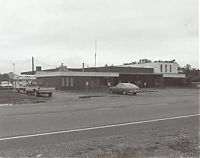
Slick Rock Mill and Concentrator
Location: The Slick Rock uranium processing sites are about three miles northwest of the old post office at Slick Rock in Montrose County, Colorado.
Background: Two uranium ore processing facilities were operated at different times in the Dolores River Valley near the town of Slick Rock, Colorado. The Slick Rock mill was operated in the 1930s-1940s by North Continent Mines, Inc. Later, in the 1950s-1960s, a uranium concentrator plant was operated by Union Carbide Corporation on a tract about one mile northwest of the Slick Rock mill site.
Slick Rock Mill: In 1931, the Shattuck Chemical Company (SCC) built a mill two miles north of Slick Rock for the production of vanadium and radium salts. Throughput capacity of the original mill was about 15 tons of ore per day (TPD). North Shore Coke & Chemical Company (NSC&C) held a 60 percent interest in SCC from 1934-1942. In the mid 1930s, NSC&C formed the subsidiary, North Continent Mines, Inc. (NCM), to mine uranium-vanadium ores. In 1939, NCM acquired the Slick Rock mill, increased its capacity to 30 TPD, and then operated the mill until it was closed in 1943. In the original Slick Rock milling process, ground ore was acid leached to solubilize the uranium and vanadium values. The solution was classified to separate the uranium-vanadium solution and insoluble radium-bearing slimes from the sand residue solids, which were sent to tailings. The slimes fraction was washed, filtered, dried and trucked for final processing to the SCC plant in Denver, Colorado. Evaporating the acid-leach liquor yielded a uranium-vanadium residue that was then roasted to form iron vanadate: this was filtered, dried, and later converted to ferro-vanadium. Soluble uranium salts in the roasted calcines were dissolved in water, and a low grade uranium concentrate was precipitated, from which the final uranium concentrate product was formed. In 1941, the mill adopted a new process. The ore was treated by salt-roasting, water leaching, and acid leaching to solubilize vanadium and uranium. This process yielded a fused vanadium “red cake” product. The uranium was precipitated from solution and dried and shipped. In the early 1940s, the mill’s vanadium and uranium products were sold to the U.S. Government for the war effort. Information about these sales is not available. The mill was closed in 1943. From 1931 to 1943, an estimated 37,000 tons of ore averaging 0.28 percent U3O8 and about 3.0 percent V2O5 was processed at the mill, and the tailings pile covered an area of about 6 acres on the flood plain of the Dolores River.
In February 1945, Union Mines Development Corporation, which acquired uranium and vanadium for the Government's wartime Manhattan Project, purchased the NCM Slick Rock facility. Union Mines deeded the facility to the Government in 1949, along with numerous uranium mining properties it had acquired in San Miguel County, Colorado. In November 1957, the 160-acre Slick Rock facility, consisting of the mill site, tailings area, and the North Continent mill town site were deeded to Union Carbide Corporation. The Government retained the mineral rights associated with the tract. A small quantity of tailings, about 300 to 400 tons total, was later trucked to UCC's Slick Rock uranium concentrator plant and to its Uravan, Colorado, mill for reprocessing. In 1971, the tailings pile was reclaimed with a 6-inch thick soil covering and seeded in accordance with the then current State of Colorado regulations. By 1982, the mill buildings and structures were dismantled, and equipment and associated buildings were removed from the site.
Slick Rock Concentrator: Union Carbide Corporation, (UCC) built the UCC Slick Rock concentrator in the late 1950s on a 360-acre tract adjacent to the Dolores River about 1 mile downstream from the old NCM Slick Rock mill site. The concentrator was operated from September 1957 until yearend 1961, and its products were trucked to UCC’s Rifle, Colorado, uranium mill for final processing. The three final products were: “dry-fines,” “green-sludge,” and a “slimes” concentrate. The ore, a coarse-grained sandstone cemented with clay and calcite, averaged 0.24 percent U3O8 and 1.35 percent V2O5. Dry grinding of the ore and air sizing produced a “fines” product (minus-14 mesh) that contained up to 60 percent of the uranium values in the ore. The remaining coarse ore fraction was then acid leached to yield a solution from which the slimes product was separated, dewatered, and dried. The green sludge product was formed by neutralizing a part of the remaining pregnant solution with ammonia. The remainder of the pregnant solution was recirculated. The slimes and green sludge products combined contained about 30-35 percent of the uranium from the ore feed. The concentrator “upgraded” the ore’s uranium values by a ratio of about 4:1, and the combined grades of the “fines,” “sludge,” and “slimes” products was about 1 percent U3O8. The plant operated at a rate of about 430 TPD and treated 591,244 tons of ore containing some 2.7 million pounds U3O8. When the plant closed, the tailings pile contained about 350,000 tons of material and covered 19 acres at the site. The pile was stabilized with a 6-inch thick soil covering and seeded. An earthen dike was built between the tailings pile and the Dolores River, which flowed about 35 feet from the pile at one point. By 1982, the concentrator plant buildings and equipment had been removed from the site.
Background: Two uranium ore processing facilities were operated at different times in the Dolores River Valley near the town of Slick Rock, Colorado. The Slick Rock mill was operated in the 1930s-1940s by North Continent Mines, Inc. Later, in the 1950s-1960s, a uranium concentrator plant was operated by Union Carbide Corporation on a tract about one mile northwest of the Slick Rock mill site.
Slick Rock Mill: In 1931, the Shattuck Chemical Company (SCC) built a mill two miles north of Slick Rock for the production of vanadium and radium salts. Throughput capacity of the original mill was about 15 tons of ore per day (TPD). North Shore Coke & Chemical Company (NSC&C) held a 60 percent interest in SCC from 1934-1942. In the mid 1930s, NSC&C formed the subsidiary, North Continent Mines, Inc. (NCM), to mine uranium-vanadium ores. In 1939, NCM acquired the Slick Rock mill, increased its capacity to 30 TPD, and then operated the mill until it was closed in 1943. In the original Slick Rock milling process, ground ore was acid leached to solubilize the uranium and vanadium values. The solution was classified to separate the uranium-vanadium solution and insoluble radium-bearing slimes from the sand residue solids, which were sent to tailings. The slimes fraction was washed, filtered, dried and trucked for final processing to the SCC plant in Denver, Colorado. Evaporating the acid-leach liquor yielded a uranium-vanadium residue that was then roasted to form iron vanadate: this was filtered, dried, and later converted to ferro-vanadium. Soluble uranium salts in the roasted calcines were dissolved in water, and a low grade uranium concentrate was precipitated, from which the final uranium concentrate product was formed. In 1941, the mill adopted a new process. The ore was treated by salt-roasting, water leaching, and acid leaching to solubilize vanadium and uranium. This process yielded a fused vanadium “red cake” product. The uranium was precipitated from solution and dried and shipped. In the early 1940s, the mill’s vanadium and uranium products were sold to the U.S. Government for the war effort. Information about these sales is not available. The mill was closed in 1943. From 1931 to 1943, an estimated 37,000 tons of ore averaging 0.28 percent U3O8 and about 3.0 percent V2O5 was processed at the mill, and the tailings pile covered an area of about 6 acres on the flood plain of the Dolores River.
In February 1945, Union Mines Development Corporation, which acquired uranium and vanadium for the Government's wartime Manhattan Project, purchased the NCM Slick Rock facility. Union Mines deeded the facility to the Government in 1949, along with numerous uranium mining properties it had acquired in San Miguel County, Colorado. In November 1957, the 160-acre Slick Rock facility, consisting of the mill site, tailings area, and the North Continent mill town site were deeded to Union Carbide Corporation. The Government retained the mineral rights associated with the tract. A small quantity of tailings, about 300 to 400 tons total, was later trucked to UCC's Slick Rock uranium concentrator plant and to its Uravan, Colorado, mill for reprocessing. In 1971, the tailings pile was reclaimed with a 6-inch thick soil covering and seeded in accordance with the then current State of Colorado regulations. By 1982, the mill buildings and structures were dismantled, and equipment and associated buildings were removed from the site.
Slick Rock Concentrator: Union Carbide Corporation, (UCC) built the UCC Slick Rock concentrator in the late 1950s on a 360-acre tract adjacent to the Dolores River about 1 mile downstream from the old NCM Slick Rock mill site. The concentrator was operated from September 1957 until yearend 1961, and its products were trucked to UCC’s Rifle, Colorado, uranium mill for final processing. The three final products were: “dry-fines,” “green-sludge,” and a “slimes” concentrate. The ore, a coarse-grained sandstone cemented with clay and calcite, averaged 0.24 percent U3O8 and 1.35 percent V2O5. Dry grinding of the ore and air sizing produced a “fines” product (minus-14 mesh) that contained up to 60 percent of the uranium values in the ore. The remaining coarse ore fraction was then acid leached to yield a solution from which the slimes product was separated, dewatered, and dried. The green sludge product was formed by neutralizing a part of the remaining pregnant solution with ammonia. The remainder of the pregnant solution was recirculated. The slimes and green sludge products combined contained about 30-35 percent of the uranium from the ore feed. The concentrator “upgraded” the ore’s uranium values by a ratio of about 4:1, and the combined grades of the “fines,” “sludge,” and “slimes” products was about 1 percent U3O8. The plant operated at a rate of about 430 TPD and treated 591,244 tons of ore containing some 2.7 million pounds U3O8. When the plant closed, the tailings pile contained about 350,000 tons of material and covered 19 acres at the site. The pile was stabilized with a 6-inch thick soil covering and seeded. An earthen dike was built between the tailings pile and the Dolores River, which flowed about 35 feet from the pile at one point. By 1982, the concentrator plant buildings and equipment had been removed from the site.
14 files on 1 page(s)