

 Home
Home Register
 Login
Login Album list
 Last uploads
 Last comments
 Most viewed
 Top rated
 By date
 My Favorites
 Search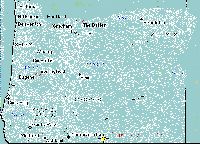
Lakeview Mill
Location: The Lakeview mill site is located about one mile northwest of the City of Lakeview in Lake County, Oregon, and immediately west of U.S. 395. It is in a broad valley north of Goose Lake.
Background: Uranium deposits were discovered in south-central Oregon in the mid 1950s within the Basin and Range geological province. The deposits appear to be remnants of what possibly were once more extensive mineralized zones in essentially flat-lying host rock strata. The deposits possibly were formed by low temperature/low pressure hydrothermal action in an intensely altered tuffaceous host rock capped by a nonporous clay layer. The host rock occurs in a thick sequence of pyroclastic rocks, volcanic sediments, and lake-bed sediments interspersed with andesitic volcanic flows of Pliocene-age. Individual ore deposits are up to 150 feet in thickness, and ore was explored to a depth of 600 feet below the surface. Shallow ore consists principally of secondary uranium minerals and the deeper ore of coffinite associated with base-metal sulfide minerals. Steeply dipping and cross-cutting normal faults have cut the ore-bearing Pliocene sequence into large blocks that are displaced and tilted. It is thought that some faults were possible channels for emplacement of the uranium mineralization.
The first uranium ore production occurred in 1955 during initial development of the White King and Lucky Lass mines, which are located about 12 miles northwest of Lakeview mill site. Other uranium deposits were subsequently discovered in the area. In November 1957, the U.S. Atomic Energy Commission (AEC) entered a contract with the Lakeview Mining Company for a uranium processing mill at Lakeview, Oregon. The contract period extended through November 1963. The mill was constructed during 1958, and the first delivery of U3O8 to the AEC occurred in January 1959. The design of the Lakeview mill was similar to that of the uranium mill at Gunnison, Colorado, but included changes in its circuitry in order to treat the Lakeview district ores that contain uranium-arsenate and molybdenum-, antimony-, and other sulfide minerals. The milling process used sulfuric acid leaching of the ore and solvent extraction with an amine solvent to treat the leach liquor that had unusually high molybdenum content. Some of the ore also contained bentonitic clay that caused excessive frothing during ore processing and lowered uranium recovery. The mill’s rated capacity was 210 tons of ore per day (TPD), though the availability of ore varied and the actual amounts of ore processed ranged from 50 to about 400 TPD. In addition to ore produced from the two company-owned mines, about 15 percent of the ore processed at Lakeview was purchased from independent mine operators. After operating for only two years, the mill was closed in November 1960 due to a lack of ore. During that period, the grade of ore fed to the mill decreased from 0.20 percent U3O8 at startup in 1959 to about 0.09 percent when the mill was closed in 1960. A total of 131,355 tons of ore averaging 0.15 percent U3O8 was treated at the mill. Uranium recovery averaged 87 percent, and the total production, 342,259 pounds U3O8, was sold to the AEC.
In 1961, Kerr-McGee Oil Industries, through its subsidiary Kermac Fuel Corporation, acquired the assets of both the Lakeview Mining Company and the Gunnison Mining Company (Gunnison, Colorado). At that time, the Lakeview mill-site property consisted of 258 acres and contained the 30 acre tailings pile, which contained about 130,000 tons of tailings material that averaged about 3.7 feet in depth. The tailings impoundment utilized a natural clay liner and was surrounded by an earthen embankment. Six evaporation ponds covered about 65 acres of the original site, and the mill and supporting structures occupied about 12 acres. Between 1960 and 1968, the property had five owners. Atlantic Richfield Company (ARCO) acquired the Lakeview mill property in 1968. Under ARCO-sponsored site decontamination work, most of the contaminated materials were incorporated into the tailings pile, which was then stabilized with an 18-24 inch thick earthen cover. The mill building and other structures, emptied of useable machinery, remained at the site. Investigations of the mill site in 1976 found localized areas of elevated radioactivity and suspected contaminated-material burial sites. No evidence was found of windblown contamination from the mill site and no off-site usage of mill tailings was found. Additional removal/relocation of contaminated soil to the tailings pile during 1977 brought the mill site into compliance with the then-current Oregon State environment regulations. In March 1978, the property was purchased for use as lumber mill site.
Background: Uranium deposits were discovered in south-central Oregon in the mid 1950s within the Basin and Range geological province. The deposits appear to be remnants of what possibly were once more extensive mineralized zones in essentially flat-lying host rock strata. The deposits possibly were formed by low temperature/low pressure hydrothermal action in an intensely altered tuffaceous host rock capped by a nonporous clay layer. The host rock occurs in a thick sequence of pyroclastic rocks, volcanic sediments, and lake-bed sediments interspersed with andesitic volcanic flows of Pliocene-age. Individual ore deposits are up to 150 feet in thickness, and ore was explored to a depth of 600 feet below the surface. Shallow ore consists principally of secondary uranium minerals and the deeper ore of coffinite associated with base-metal sulfide minerals. Steeply dipping and cross-cutting normal faults have cut the ore-bearing Pliocene sequence into large blocks that are displaced and tilted. It is thought that some faults were possible channels for emplacement of the uranium mineralization.
The first uranium ore production occurred in 1955 during initial development of the White King and Lucky Lass mines, which are located about 12 miles northwest of Lakeview mill site. Other uranium deposits were subsequently discovered in the area. In November 1957, the U.S. Atomic Energy Commission (AEC) entered a contract with the Lakeview Mining Company for a uranium processing mill at Lakeview, Oregon. The contract period extended through November 1963. The mill was constructed during 1958, and the first delivery of U3O8 to the AEC occurred in January 1959. The design of the Lakeview mill was similar to that of the uranium mill at Gunnison, Colorado, but included changes in its circuitry in order to treat the Lakeview district ores that contain uranium-arsenate and molybdenum-, antimony-, and other sulfide minerals. The milling process used sulfuric acid leaching of the ore and solvent extraction with an amine solvent to treat the leach liquor that had unusually high molybdenum content. Some of the ore also contained bentonitic clay that caused excessive frothing during ore processing and lowered uranium recovery. The mill’s rated capacity was 210 tons of ore per day (TPD), though the availability of ore varied and the actual amounts of ore processed ranged from 50 to about 400 TPD. In addition to ore produced from the two company-owned mines, about 15 percent of the ore processed at Lakeview was purchased from independent mine operators. After operating for only two years, the mill was closed in November 1960 due to a lack of ore. During that period, the grade of ore fed to the mill decreased from 0.20 percent U3O8 at startup in 1959 to about 0.09 percent when the mill was closed in 1960. A total of 131,355 tons of ore averaging 0.15 percent U3O8 was treated at the mill. Uranium recovery averaged 87 percent, and the total production, 342,259 pounds U3O8, was sold to the AEC.
In 1961, Kerr-McGee Oil Industries, through its subsidiary Kermac Fuel Corporation, acquired the assets of both the Lakeview Mining Company and the Gunnison Mining Company (Gunnison, Colorado). At that time, the Lakeview mill-site property consisted of 258 acres and contained the 30 acre tailings pile, which contained about 130,000 tons of tailings material that averaged about 3.7 feet in depth. The tailings impoundment utilized a natural clay liner and was surrounded by an earthen embankment. Six evaporation ponds covered about 65 acres of the original site, and the mill and supporting structures occupied about 12 acres. Between 1960 and 1968, the property had five owners. Atlantic Richfield Company (ARCO) acquired the Lakeview mill property in 1968. Under ARCO-sponsored site decontamination work, most of the contaminated materials were incorporated into the tailings pile, which was then stabilized with an 18-24 inch thick earthen cover. The mill building and other structures, emptied of useable machinery, remained at the site. Investigations of the mill site in 1976 found localized areas of elevated radioactivity and suspected contaminated-material burial sites. No evidence was found of windblown contamination from the mill site and no off-site usage of mill tailings was found. Additional removal/relocation of contaminated soil to the tailings pile during 1977 brought the mill site into compliance with the then-current Oregon State environment regulations. In March 1978, the property was purchased for use as lumber mill site.
4 files on 1 page(s)